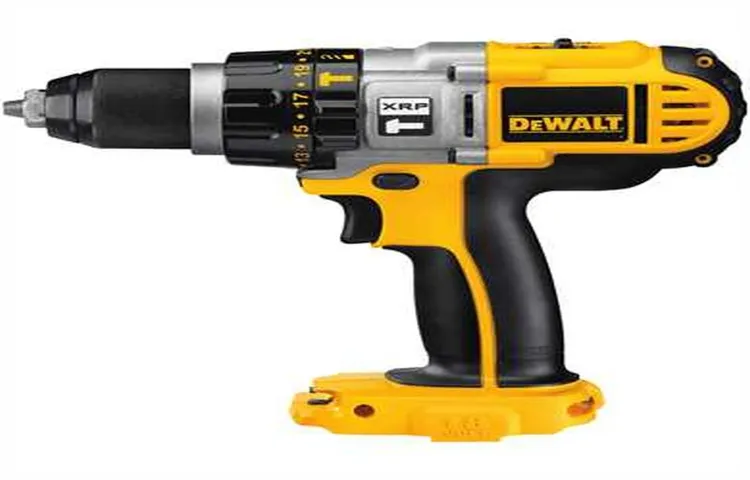
At Home Depot in the United States, renting a hammer drill often costs about $20 to $35 for four hours or $30 to $50 for one day. A larger rotary hammer may cost about $35 to $60 for four hours or $50 to $80 per day.
These are practical budgeting ranges, not guaranteed prices. Home Depot rental rates vary by store, tool type, rental period, taxes, deposits, damage protection, and local demand. The exact price appears after you select your store on the Home Depot Tool Rental website.
Introduction
A hammer drill is useful for making holes in brick, block, concrete, and some stone. The tool combines spinning force with a fast tapping action. That tapping action helps a masonry bit break through hard material.
The main pricing mistake is to search only for “hammer drill.” Home Depot may list several similar tools, including a standard hammer drill, rotary hammer, SDS rotary hammer, and larger demolition or combination hammers. Each type has a different rental price and is suited to a different job.

Home Depot Hammer Drill Rental Prices
The price depends first on the tool class and then on the rental time. Use the table below to build a starting budget before checking your local store.
| Tool type | Typical four-hour budget | Typical one-day budget | Common use |
|---|---|---|---|
| Standard hammer drill | $20–$35 | $30–$50 | Small holes in brick, block, or light concrete |
| Cordless hammer drill | $20–$40 | $35–$60 | Small repair work where power access is limited |
| Rotary hammer | $35–$60 | $50–$80 | Faster drilling in concrete and larger masonry holes |
| SDS rotary hammer | $35–$65 | $55–$90 | Concrete anchors, deep holes, and heavier work |
| Combination or demolition hammer | $50–$90 or more | $75–$125 or more | Large holes, chiseling, or concrete removal |
These figures are planning estimates only. They are not a published national Home Depot price list. Home Depot does not use one fixed rental rate for every U.S. store, and inventory can differ by location.
A standard hammer drill is usually the least expensive option. A rotary hammer costs more because it delivers a stronger impact force and often uses SDS bits. For a few small holes, the cheaper tool may be enough. For repeated holes in a concrete slab or foundation wall, a rotary hammer may save time and effort.
Other charges to include
The base rental fee may not be your total cost. Check for:
- Sales tax
- A refundable deposit or payment authorization
- Damage waiver or protection charges, if offered
- Masonry bit rental or purchase
- Extra rental time
- Cleaning or damage charges under the rental agreement
- Delivery or pickup fees, if you use a delivery service
Bits are easy to overlook. A hammer drill without the right masonry bit is like a key without teeth. Check whether the tool uses regular round-shank bits, SDS-Plus bits, or SDS-Max bits before you reserve it.
How to Check the Exact Home Depot Rental Price
The most reliable price is the rate shown for your selected store and rental period. Use this process:
- Open the Home Depot Tool Rental page.
- Enter your ZIP code or choose a nearby store.
- Search for hammer drill, rotary hammer, or SDS rotary hammer.
- Compare the available tools and their specifications.
- Select the rental period, such as four hours, one day, one week, or four weeks.
- Review the listed rate, deposit information, protection options, and included accessories.
- Confirm that the tool is available on your intended date.
- Ask the rental desk whether the correct bit is included or rented separately.
The four-hour rate is not always the best value. If the daily rate is only slightly higher, a full day gives you more time to set up, mark holes, clear dust, and correct mistakes.
Store inventory can also change during the day. If the online listing shows no tool, call the rental desk before making a trip. Ask for the exact tool name and model class, not just “a hammer drill.”

Hammer Drill vs. Rotary Hammer: Which One Should You Rent?
Choose a standard hammer drill for small holes and light masonry work. Choose a rotary hammer when you need faster drilling, larger holes, or repeated work in hard concrete.
| Project | Better choice | Why |
|---|---|---|
| A few holes in brick for a small bracket | Standard hammer drill | Lower cost and enough power |
| Anchors in concrete block | Standard hammer drill or small rotary hammer | Tool choice depends on hole size and quantity |
| Several holes in a concrete slab | Rotary hammer | More impact force and less strain |
| Large holes for pipe or conduit | Rotary hammer with the correct bit | Better suited to larger diameters |
| Removing tile or light concrete | Rotary hammer with a chisel function | A standard hammer drill is not designed for this |
| Driving screws into wood | Regular drill or impact driver | Hammer mode is unnecessary and can damage materials |
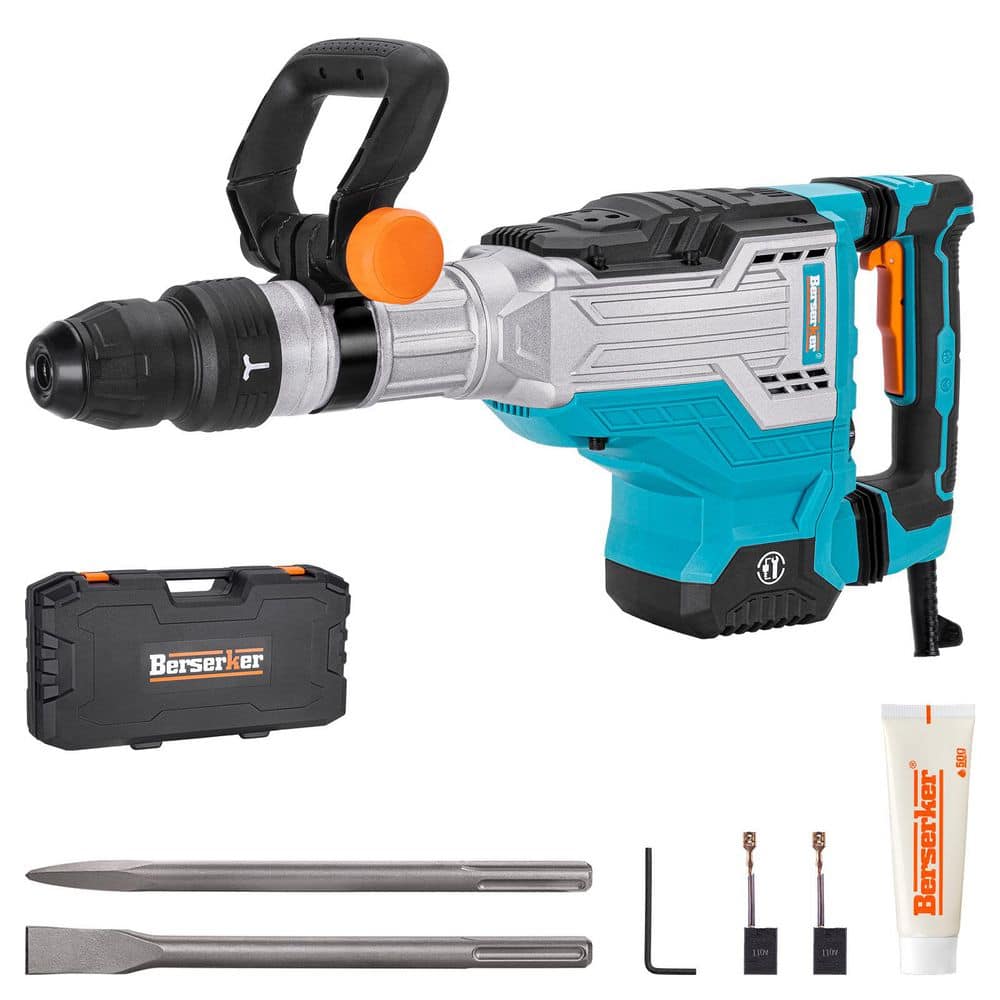
A hammer drill moves the bit forward in short pulses while it spins. A rotary hammer uses a stronger piston mechanism. This difference gives the rotary hammer more impact energy, but it also makes the tool heavier, louder, and more expensive to rent.
Do not rent a demolition hammer for ordinary anchor holes. It may remove material quickly, but it can also cause unwanted cracking and damage around the hole.
How to Estimate Your Total Rental Cost
Total estimated cost = rental rate + accessories + protection fees + tax + possible deposit
For example, this hypothetical estimate shows how the math works:
- One-day rotary hammer rental: $60
- Masonry bit: $15
- Optional protection charge: $8
- Sales tax: based on your state and local rate
The estimated checkout cost before tax would be $83. A deposit may increase the amount temporarily charged to your card, but a refundable deposit is not always a final expense if the tool comes back on time and undamaged.
Compare the four-hour and one-day options before booking. If a four-hour rental is $40 and a one-day rental is $50, the extra $10 may be worthwhile. If the job will take less than an hour, a four-hour rental may be the better choice.
Also compare the rental price with the cost of buying a basic tool. Buying may make sense if you expect several future projects, need the tool on short notice, or must return it after store hours. Renting is often better for a one-time project involving specialized equipment.

What You Need Before Renting a Hammer Drill
Prepare the following items before you visit the rental desk:
- The material you will drill
- The hole diameter
- The required hole depth
- The number of holes
- The expected work time
- The type of anchor or fastener
- The correct bit type
- A safe way to transport the tool
- Eye, hearing, and respiratory protection
If you are drilling into concrete, identify the hole size from the anchor instructions. A bit that is too small will not accept the anchor. A bit that is too large may leave the fastener loose.
Check the drill’s power source as well. A corded tool needs a safe outlet and a heavy-duty extension cord rated for the tool. A cordless tool needs a charged battery. Ask the rental desk whether batteries and chargers are included.
For overhead work, consider the tool’s weight. A heavy rotary hammer can become difficult to control after several minutes. A smaller tool may be safer and more comfortable if it can complete the task.
Safe Hammer Drill Use
Wear safety glasses, hearing protection, and work gloves that allow a firm grip. Concrete and masonry can create dust and sharp chips. Use suitable dust control, such as a dust extractor or a method recommended by the tool maker and applicable safety guidance.
Before drilling, check for hidden electrical wires, plumbing, gas lines, and reinforcing steel. A stud finder may not identify every hazard. Do not drill where you cannot reasonably confirm what lies behind the surface.
Hold the tool with both hands when the design calls for it. Keep your feet stable, keep the cord away from the bit, and let the tool work at its intended speed. Do not force the drill by leaning your full body weight into it.
Use hammer mode only on suitable masonry. Turn hammer mode off for wood, metal, tile, and other materials unless the tool instructions specifically allow that use. Hammer action can crack tile and damage non-masonry surfaces.
Stop if the bit binds, the tool produces unusual sparks, the housing becomes excessively hot, or you lose control. Unplug a corded tool before changing bits. Remove the battery from a cordless tool before making adjustments.
For structural concrete, post-tensioned slabs, load-bearing walls, or work near critical utilities, consult a qualified professional before drilling. A rental tool does not remove the risk created by hidden building systems.
Common Rental Mistakes
The most common mistake is choosing a tool by name instead of by task. A “hammer drill” may be too weak for deep concrete holes, while a rotary hammer may be unnecessary for two small holes in brick.
Other mistakes include:
- Forgetting to reserve the correct bit
- Assuming the rental includes a battery or charger
- Selecting a four-hour rate for a job that needs most of the day
- Failing to inspect the tool before taking it home
- Returning the tool with concrete dust or debris still inside
- Using the wrong bit diameter
- Drilling without checking for wires or pipes
- Ignoring the tool’s operating instructions
- Assuming online availability guarantees the tool will be ready
- Forgetting to ask about late-return charges
Inspect the tool at pickup. Check the cord, handle, chuck, battery, case, and visible housing damage. Tell the rental associate about existing damage and keep your receipt or rental agreement.
When you return the tool, allow time for the staff to inspect it. Do not wait until the last minute if the store is busy. A late return may affect the next customer and could lead to additional charges under the agreement.
Is Renting a Hammer Drill Worth It?
Renting is usually worthwhile when you have a one-time project, need a rotary hammer, or do not want to store and maintain a power tool. It can also be useful when the job requires a tool that is more powerful than the drill you own.
Buying may be more practical when you expect to drill masonry often. A purchased tool is available whenever you need it, but you also pay for storage, maintenance, replacement bits, and eventual repair.
Use this quick decision rule:
- Rent for one short job or specialized concrete work.
- Buy if you expect repeated masonry projects.
- Choose a standard hammer drill for a small number of small holes.
- Choose a rotary hammer for hard concrete, large holes, or many holes.
- Choose a professional when drilling could affect structure or hidden utilities.
The lowest rental price is not always the lowest project cost. A tool that finishes the work quickly may reduce labor time, failed holes, and extra rental hours.

Frequently Asked Questions
How much is a hammer drill rental at Home Depot for four hours?
A reasonable U.S. budgeting range is about $20 to $35 for a standard hammer drill. A rotary hammer may cost about $35 to $60 for four hours. Check your local Home Depot listing for the exact price.
Does Home Depot include drill bits with the rental?
Do not assume that bits are included. Some tools may include basic accessories, but the correct masonry or SDS bit may be separate. Confirm the bit size, shank type, and price with the rental desk.
Can I rent a hammer drill for one day?
Yes, daily rental periods are commonly available when the tool is in stock. The available periods and rates differ by store. Compare the four-hour, daily, weekly, and monthly prices before checking out.
What is the difference between a hammer drill and a rotary hammer?
A hammer drill adds a light tapping action to normal drilling. A rotary hammer uses a stronger impact mechanism and is better for hard concrete, larger holes, and repeated drilling. Rotary hammers are usually heavier and cost more to rent.
Do I need a hammer drill for brick?
For a few small holes in brick, a standard hammer drill with a masonry bit may be enough. Use moderate pressure and the correct bit. A rotary hammer may be more suitable for many holes, deep holes, or unusually hard masonry.
Is a Home Depot rental deposit refundable?
Deposit rules depend on the rental agreement, tool, payment method, and store. Ask the rental desk how any authorization or deposit works before you take the tool.
Conclusion
A practical budget for renting a hammer drill at Home Depot is $20 to $35 for four hours or $30 to $50 for one day. For heavier concrete work, plan on roughly $35 to $80 or more, depending on the rotary hammer and rental period.
To find the exact cost, select your U.S. store on Home Depot’s Tool Rental page, confirm the tool type, add the correct bit, and review all fees before reserving it. Match the tool to the material and hole size, and use proper dust, eye, hearing, and utility-safety precautions.