
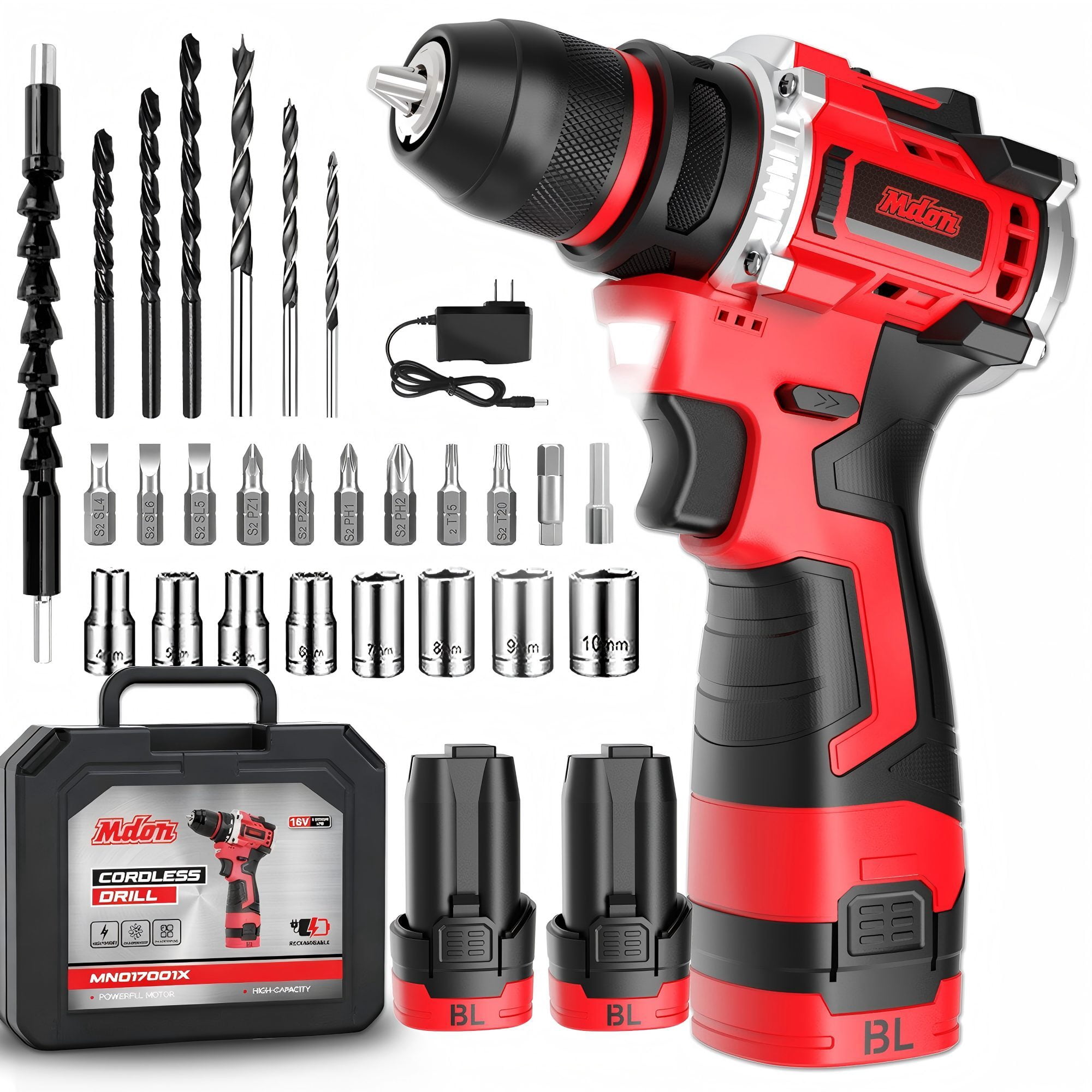
A drill at Walmart usually costs about $20 to $150, depending on the type, brand, power, and included accessories. Basic corded drills often cost less than $40. Small cordless drills may cost $30 to $80, while larger 20-volt kits, hammer drills, and professional-grade models can cost $100 or more.
Prices and stock change by store, ZIP code, seller, and sale period. Walmart also sells products from third-party Marketplace sellers, so the seller, shipping cost, return policy, and warranty can affect the real value.
Typical Walmart Drill Prices
The cheapest drills at Walmart are usually basic corded models or small cordless drills. More powerful models cost more because they may include lithium-ion batteries, chargers, extra bits, higher torque, or brushless motors.
| Drill type | Typical price range | Best for |
|---|---|---|
| Basic corded drill | $20–$45 | Light home repairs |
| Small cordless drill | $25–$60 | Shelves, furniture, and simple projects |
| 12-volt cordless drill kit | $35–$80 | Light to medium household work |
| 18- or 20-volt cordless drill kit | $50–$150 | Frequent home repairs and building projects |
| 20-volt drill with battery and tools | $80–$200 | Larger projects and regular use |
| Hammer drill | $40–$150 | Masonry and concrete tasks |
| Brushless cordless drill | $80–$250 or more | Heavy use and longer tool life |
| Drill bit and accessory set | $10–$50 | Adding bits and drivers |
These are general shopping ranges, not a live Walmart price list. A sale may lower the price, while a special model or Marketplace listing may cost more.
The most important price difference is often not the drill itself. It is what comes in the box. A cordless drill sold as a “bare tool” may not include a battery or charger.

What Changes the Price of a Drill at Walmart?
The drill’s power source, battery system, motor, brand, and included parts have the largest effect on price.
Corded versus cordless
A corded drill plugs into a wall outlet. It does not need a battery, so the purchase price is often lower. It can also run as long as power is available.
A cordless drill costs more because the package may include a battery and charger. It is easier to use on a ladder, outside, or in a room without a nearby outlet. However, batteries lose charge and may need replacement after years of use.
Voltage
Cordless drills often use labels such as 12V, 18V, or 20V MAX. Voltage gives a rough idea of the tool’s power, but it does not tell the whole story.
A 12-volt drill is often enough for:
- Flat-pack furniture
- Cabinet hardware
- Small shelves
- Pilot holes
- Light screws
An 18- or 20-volt drill is more suitable for:
- Long screws
- Thick wood
- Large holes
- Deck and fence repairs
- Frequent home improvement work
A higher voltage does not always make a drill better for every user. It may add weight, cost, and battery expense.
Battery and charger
A cordless drill may be sold in one of three ways:
- Bare tool: The drill only. You need a compatible battery and charger.
- Drill kit: The drill, battery, and charger.
- Combo kit: A drill plus another tool, such as an impact driver, saw, or light.
A bare tool can look cheap until you add the battery and charger. Compare the full setup cost before choosing.
Motor type
A standard brushed motor is common on lower-priced drills. A brushless motor often costs more and may run with less heat and less routine brush wear.
Brushless does not automatically mean that a drill is the right choice. For occasional use, a basic brushed drill may offer better value. For frequent work, the added cost may be easier to justify.
Brand and warranty
Brand name can affect price, warranty support, replacement batteries, and access to service. A low-cost drill may work well for small jobs, but a recognized tool platform may be more useful if you plan to buy more cordless tools later.
Read the warranty terms. A warranty from the manufacturer may differ from Walmart’s return policy or a Marketplace seller’s policy.

How Much Should You Spend on a Walmart Drill?
The right budget depends on the work you expect to do. Spending more only helps when the extra power, battery capacity, or durability matches your needs.
For occasional household jobs: $25 to $60
This range can cover a basic corded drill or a small cordless drill. It is usually enough for hanging pictures, assembling furniture, tightening screws, and drilling small holes in wood.
Check whether the cordless model includes a battery and charger. If it does not, the final cost may exceed your budget.
For regular home repairs: $50 to $120
This is a practical range for many homeowners. You may find a 12-volt or 20-volt kit with a battery and charger.
Look for:
- Two speed settings
- A variable-speed trigger
- A keyless chuck
- An adjustable clutch
- At least one battery
- A charger
- A case or storage bag
These features make the drill easier to control and more useful for different materials.
For heavy or frequent use: $100 to $250 or more
A higher budget may provide a brushless motor, stronger chuck, larger battery, better heat control, and compatibility with a wider tool system.
This price level makes more sense for a contractor, serious DIY user, or homeowner who uses a drill often. It may be unnecessary for a person who only needs to assemble furniture once or twice a year.
A simple value test
Use this calculation before buying:
Total cost = drill price + battery cost + charger cost + needed accessories
For example, a hypothetical $45 bare tool may need a $40 battery and a $25 charger. The actual starting cost would be about $110 before tax.
A $75 kit with a battery and charger could be the better value, even though its listed drill price is higher.
What Type of Drill Should You Buy?
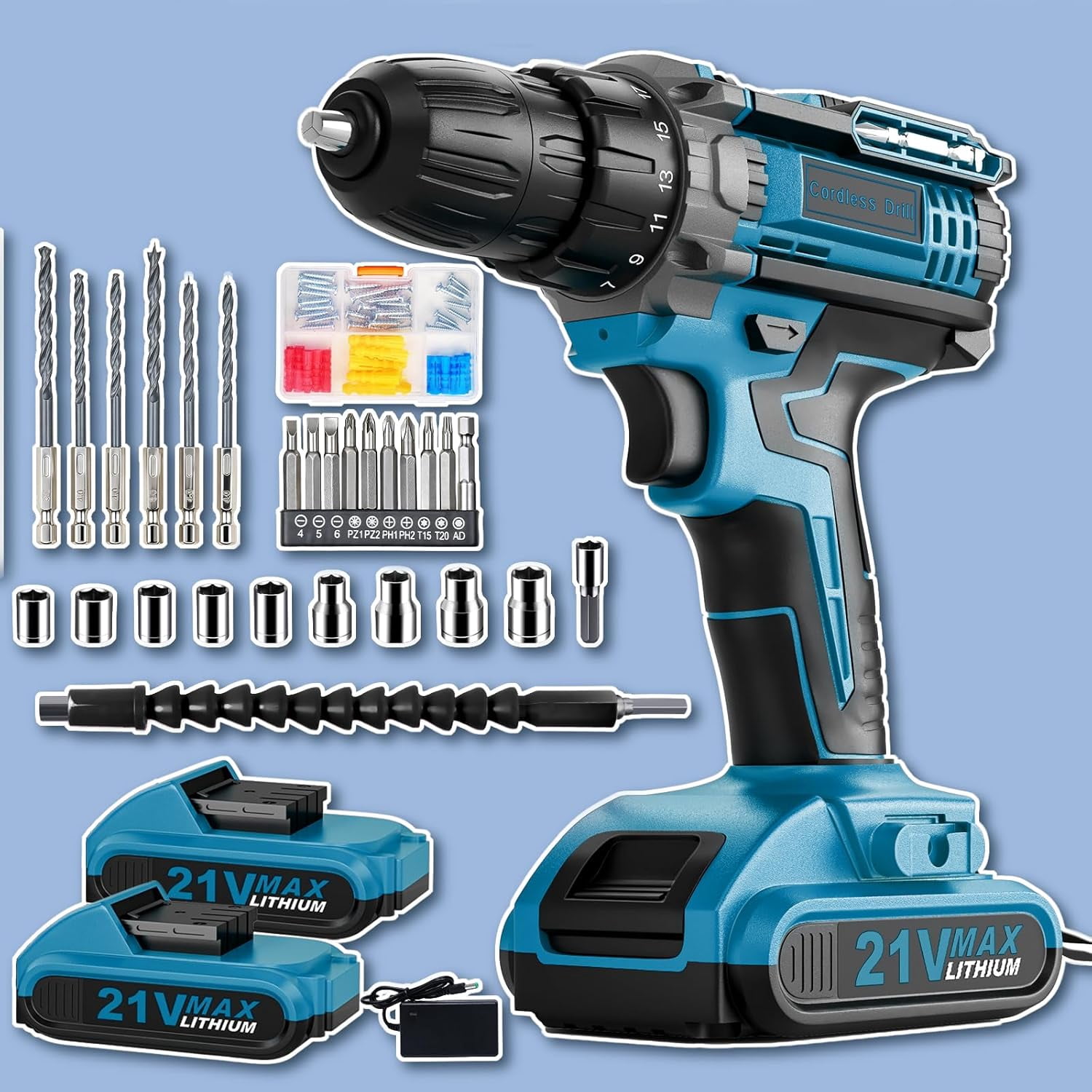
Choose the drill based on the material, task, and amount of use. Do not choose by price alone.
Basic drill-driver
A drill-driver can drill holes and drive screws. It is the most useful general-purpose option for many homes.
Choose one if you need to:
- Drill wood or plastic
- Install screws
- Assemble furniture
- Hang shelves
- Make small repairs
Hammer drill
A hammer drill adds a forward tapping action. This helps it drill into brick, block, and some concrete when used with the correct masonry bit.
A hammer drill is not always needed for normal wood or metal work. It may be heavier and more expensive than a standard drill-driver.
Impact driver
An impact driver is made mainly for driving screws and fasteners. It can handle long screws well, but it is not a direct replacement for a drill.
Many tool users buy a drill-driver for holes and an impact driver for heavy fastening. A combo kit may include both.
Corded drill
A corded drill is useful when you need long run time at a fixed work area. It can be a good choice for a workshop or occasional heavy drilling.
The main limits are the power cord and the need for an outlet. Use an outdoor-rated extension cord only when the tool and cord are suitable for outdoor use.

How to Compare Drill Listings at Walmart
The lowest displayed price is not always the lowest total cost. Use the product page and checkout screen to compare the full purchase.
Check these details:
- Seller: Confirm whether Walmart sells the item directly or whether it comes from a Marketplace seller.
- Condition: Make sure the product is new if that is what you want.
- Included items: Look for the battery, charger, bits, case, and side handle.
- Battery platform: Check whether the battery works with other tools you own.
- Shipping: Add shipping to the item price when comparing listings.
- Pickup stock: Store inventory may differ from online stock.
- Return policy: Read the return terms before ordering.
- Warranty: Check both the manufacturer warranty and seller information.
- Reviews: Use reviews to find repeated issues, but do not treat every review as verified testing.
- Model number: Compare the exact model, not only the brand name.
A listing titled “20V drill” may describe a tool with no battery. Product photos can also show accessories that are not included. The specifications and package contents should control your decision.

Is a Cheap Drill at Walmart Worth It?
A cheap drill can be worth buying when the job is light and occasional. It may not be the best choice for hard materials, long work sessions, or daily use.
A low-cost drill may have:
- Lower battery capacity
- Less torque
- A shorter warranty
- Fewer speed settings
- More plastic parts
- A smaller chuck
- Limited replacement battery options
These limits do not make the drill useless. They show where the lower price may come from.
For small household tasks, a $30 to $60 drill may do everything you need. For repeated work, a better battery system and stronger motor may save time and reduce frustration.
Avoid judging value by the number of accessories alone. A large box of low-cost bits may be less useful than a smaller set of bits made for the materials you plan to drill.
Drill Safety and Use Limits
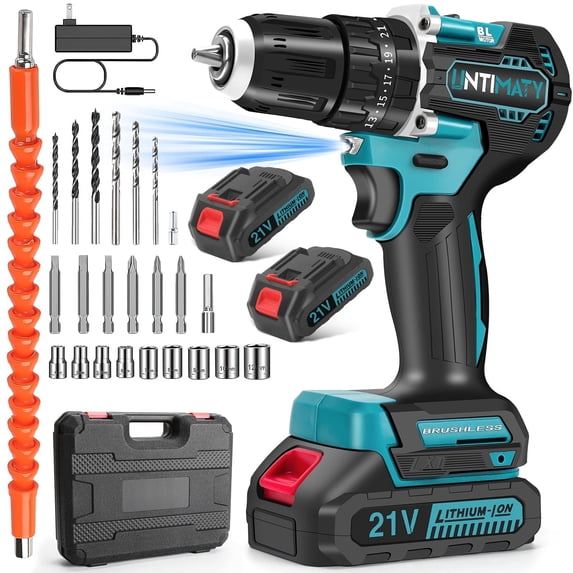
Use the drill only for materials and tasks allowed by the manufacturer. Read the manual before operating an unfamiliar model.
Follow these basic precautions:
- Wear eye protection when drilling or driving fasteners.
- Secure the workpiece before drilling.
- Keep loose clothing and hair away from the chuck.
- Remove the battery before changing bits on a cordless drill.
- Unplug a corded drill before changing bits or cleaning it.
- Use the correct bit for wood, metal, masonry, or plastic.
- Do not drill where hidden electrical wires or plumbing may be present.
- Let the bit cool during long work sessions.
- Keep batteries away from extreme heat, water, and damaged chargers.
- Stop using a battery that is swollen, cracked, leaking, or unusually hot.
Do not use a standard drill for a job that needs a specialized tool. For example, drilling into reinforced concrete, cutting large holes, or working near live wiring may require different equipment or qualified help.

Common Mistakes When Buying a Drill
The most common mistake is buying the cheapest listing without checking what it includes. A low advertised price may apply to a bare tool.
Other mistakes include:
- Choosing a high-voltage drill that is too heavy for the user
- Buying a battery platform that will not support future tools
- Assuming every drill can drill concrete
- Ignoring the chuck size
- Forgetting the cost of bits
- Comparing different models by brand name only
- Missing the Marketplace seller and return terms
- Using a driver bit for a task that needs a drill bit
- Buying a large combo kit when only one tool is needed
The best purchase is the one that covers the work without adding parts you will not use.

Key Takeaways
- A drill at Walmart commonly costs $20 to $150, with premium models priced higher.
- A basic corded drill often costs less than a cordless kit.
- A cordless drill may not include a battery or charger.
- A 12-volt drill suits light work; an 18- or 20-volt model suits larger tasks.
- A hammer drill is better for masonry than a standard drill-driver.
- Check the seller, model number, package contents, shipping, return terms, and warranty.
- Calculate the full cost before deciding that a listing is cheap.
Frequently Asked Questions
How much is the cheapest drill at Walmart?
The cheapest drills may cost around $20 to $30, usually during sales or for basic corded models. Some low-priced cordless tools may also appear in this range, but they may be sold without a battery or charger.
Does Walmart sell drills with batteries and chargers?
Yes. Many cordless drill kits include at least one battery and a charger. Some listings sell the drill as a bare tool, so check the “what’s included” section before ordering.
What is the best drill for basic home use?
A small cordless drill-driver is often the most practical choice for basic home use. A 12-volt model may be enough for furniture, shelves, and small screws. Choose a 20-volt kit if you expect to drill larger holes or drive long screws.
Are Walmart Marketplace drills safe to buy?
A Marketplace drill may be a legitimate product, but check the seller’s rating, return policy, warranty details, shipping terms, and exact model number. The Marketplace seller may have different terms from Walmart itself.
Is a 20-volt drill better than a 12-volt drill?
A 20-volt drill usually offers more power, but it may also be heavier and more expensive. A 12-volt drill is often easier to handle for light work. The better option depends on the material, project size, and how often you will use it.
Do drill bits come with a Walmart drill?
Some drills include a small bit set, while others include no bits. Read the package contents carefully. You may need separate bits for wood, metal, masonry, or specialty fasteners.
Conclusion
For most shoppers, a realistic Walmart drill budget is $30 to $80 for light household use and $50 to $150 for a more capable cordless kit. Basic corded drills can cost less, while brushless models, hammer drills, and large combo kits can cost $100 to $250 or more.
Before buying, compare the complete package rather than the headline price. Confirm the battery, charger, accessories, seller, warranty, return terms, and delivery cost. Then choose the lowest-priced drill that safely meets the demands of your project.