
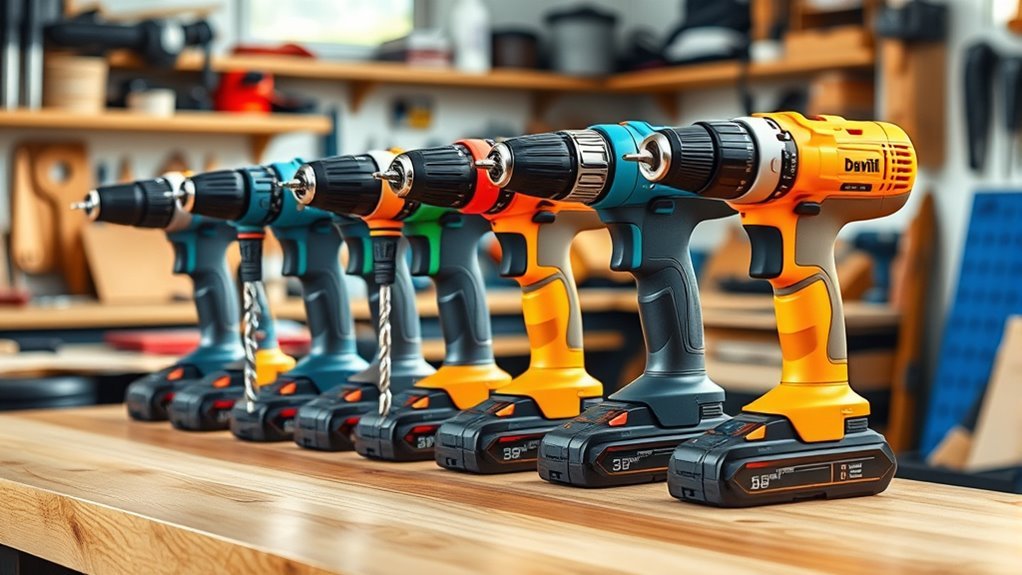
A power drill usually costs $30 to $250 in the United States, depending on its type, power source, brand, and included accessories. Basic corded drills often cost $30 to $70. Entry-level cordless drills commonly range from $50 to $120, while professional cordless kits can cost $150 to $300 or more.
For most homeowners, a reliable 12-volt or 18-volt cordless drill kit costs about $80 to $180. That price often includes the drill, one battery, a charger, and a small bit set. Bare tools cost less, but they do not include a battery or charger.
Prices vary by retailer, sales event, battery platform, and kit contents. The best way to compare prices is to compare the complete setup, not only the drill body.

Power Drill Prices at a Glance
The table below shows common U.S. price ranges. These are typical retail ranges, not guaranteed live prices. Promotions, seasonal sales, and product availability can change the final cost.
| Power drill type | Typical U.S. price | Best for |
|---|---|---|
| Basic corded drill | $30–$70 | Light home repairs and drilling near an outlet |
| Basic 12-volt cordless drill | $50–$120 | furniture, shelves, cabinets, and small repairs |
| 18-volt or 20-volt cordless drill kit | $80–$200 | General household and DIY work |
| Brushless cordless drill kit | $130–$300 | Frequent use and tougher materials |
| Heavy-duty professional drill kit | $200–$400+ | Construction and demanding daily work |
| Drill and impact driver combo kit | $150–$350+ | Fastening and drilling on larger projects |
| Hammer drill | $70–$300+ | Masonry, brick, block, and concrete |
| Right-angle drill | $150–$400+ | Plumbing, electrical, and tight spaces |
| Used power drill | $20–$150 | Lower-cost projects, if the tool is in good condition |
A low-cost drill can handle many home tasks. A higher price often buys more power, longer battery life, better heat control, stronger gears, and a longer warranty. It does not automatically make the tool better for every user.

What Changes the Price of a Power Drill?
The biggest price differences come from the drill’s power system, motor, battery, and intended work. Accessories and brand-specific batteries also affect the total cost.
Corded vs. cordless
A corded drill gets power from a wall outlet. It does not need a battery, so the purchase price is often lower. It can also run as long as electricity is available.
A cordless drill uses a rechargeable battery. It costs more because the package may include a battery and charger. Cordless models are easier to carry and are often more convenient for ladders, roofs, yards, and unfinished areas.
Cordless tools can cost more over time. A replacement battery may cost $30 to $150, depending on its voltage, size, and brand. A charger can also add to the total if it is not included.
Voltage
Voltage is a rough indicator of a cordless drill’s power and battery system. It is not the only measure of performance, but it helps separate common categories.
- 4 to 8 volts: Small screwdrivers and very light tasks.
- 12 volts: Compact drills for furniture, cabinets, and routine repairs.
- 18 or 20 volts: General DIY, construction, and heavier drilling.
- 36 volts or more: Specialized work and high-power applications.
A 12-volt drill is often easier to hold. An 18- or 20-volt drill usually offers more torque and longer run time. The larger model may be unnecessary for simple household jobs.
Brushed vs. brushless motors
A brushed motor uses small carbon brushes to transfer electrical current. These drills are often less expensive.
A brushless motor uses electronic controls instead of physical brushes. Brushless drills often cost more and may run cooler, use battery power more efficiently, and require less motor maintenance.
A brushless drill is most useful for frequent work or high-load tasks. For occasional shelf installation, the extra cost may not provide much practical benefit.
Kit contents
Two drills with the same voltage can have very different prices because their packages differ.
Check whether the box contains:
- The drill or driver
- One battery
- Two batteries
- A charger
- A carrying case
- Drill bits
- Driver bits
- A belt hook
- A side handle
- A warranty
A bare tool may look like a bargain at $60, but a battery and charger can raise the real cost to $120 or more. Always compare the complete system price.
Brand and battery platform
Many manufacturers sell several tools that use the same battery platform. A buyer who already owns compatible batteries may save money by purchasing a bare drill.
Starting a new battery platform costs more. The first tool may need a kit with a charger and battery. Later tools can cost less if they are sold without those parts.

How Much Should You Spend on a Power Drill?
For most U.S. homeowners, $80 to $150 is a sensible target for a cordless drill kit. This range usually provides enough power for furniture, wood, drywall, hardware, and routine repairs.
Your budget should match the work rather than the label on the box.
Spend $30 to $70 for light, occasional work
This range can be enough for:
- Hanging pictures
- Assembling flat-pack furniture
- Driving small screws
- Drilling small holes in wood
- Basic household repairs
At this price, you may find a corded drill or a small cordless model. Expect fewer features and a smaller battery. Very cheap tools may also have less control at low speed.
Spend $70 to $150 for general home use
This is the most useful range for many homeowners. A drill in this category may include:
- A 12-volt or 18-volt battery system
- A charger
- A keyless chuck
- Two speed settings
- An adjustable clutch
- An LED work light
- A carrying bag or case
The clutch helps prevent overdriving screws. The two-speed gearbox helps you choose between slower, stronger work and faster drilling.
Spend $150 to $300 for regular DIY or trade work
This price range often includes brushless motors, larger batteries, stronger gear systems, and improved durability.
It may be worthwhile if you:
- Build decks or sheds
- Drill large holes
- Work with hardwood
- Install cabinets often
- Use the drill for several hours at a time
- Already own the same battery platform
A more expensive drill can reduce interruptions, but it will not replace the need for the correct bit or technique.
Spend more than $300 for specialized work
Prices above $300 are common for professional kits, large battery systems, combination sets, and specialty drills.
A high price may be justified for:
- Daily construction work
- Masonry drilling
- Large-hole drilling
- Plumbing and electrical work
- High-torque applications
- Multiple-tool kits
For occasional home repairs, this level is usually more than necessary.

Corded or Cordless: Which Is Cheaper?
A corded drill is usually cheaper at the time of purchase. A cordless drill is often more convenient but may cost more after batteries and accessories are included.
Typical cost comparison
| Setup | Initial cost | Ongoing cost | Main advantage |
|---|---|---|---|
| Basic corded drill | $30–$70 | Low | Unlimited run time near an outlet |
| 12-volt cordless kit | $50–$130 | Moderate | Compact size and easy handling |
| 18- or 20-volt cordless kit | $80–$250 | Moderate to high | More power and a broad tool system |
| Cordless bare tool | $40–$180 | Requires battery and charger | Lower cost for existing platform owners |
Choose a corded drill when you work near outlets and want a simple, low-cost tool. Choose cordless when you value movement, portability, and quick setup.
Battery age also matters. Lithium-ion batteries lose capacity over time, even when they are not used often. Store them in a dry place and follow the manufacturer’s charging and storage instructions.

Is a Drill and Impact Driver Combo Worth the Price?
A drill and impact driver combo kit often costs $150 to $350 or more in the United States. It can be a good value for people who drive many long screws or work on construction projects.
The two tools serve different roles:
- A drill driver makes holes and drives screws with adjustable clutch control.
- An impact driver delivers fast rotational impacts and is useful for long screws, structural fasteners, and lag bolts.
An impact driver is not a direct replacement for a drill. It can drive screws well, but it may not provide the same control for delicate hardware. A combo kit makes sense when you need both tools. For a few repairs each year, one good drill may be enough.
What Features Are Worth Paying For?
The most useful features depend on the work. Some features improve control and comfort more than raw power.
Adjustable clutch
A clutch limits how much force the drill applies when driving a screw. It helps reduce stripped screw heads, damaged wood, and overdriven fasteners.
This feature is valuable for furniture, cabinets, trim, and other finish work.
Two-speed gearbox
A lower speed gives more control and torque. A higher speed helps drill smaller holes quickly.
A two-speed gearbox is more useful than a high top-speed number for many household tasks.
Keyless chuck
A keyless chuck lets you change bits by hand. Most modern drills use a 3/8-inch or 1/2-inch chuck.
A 1/2-inch chuck can accept larger bits and is common on heavier drills. A 3/8-inch chuck is often adequate for general home use.
Brushless motor
Brushless motors can improve efficiency and service life, especially under heavy use. They often cost more.
Pay for brushless technology when you use the drill often, place heavy loads on it, or want to stay within a professional battery platform. It is not essential for occasional light work.
Battery capacity
Battery capacity is commonly shown in amp-hours, or Ah. A larger Ah rating usually means longer run time but also more weight and cost.
A small battery may be easier to hold for overhead work. A larger battery may be useful for long jobs. The best size depends on how long you work and how much weight you can comfortably manage.

How to Calculate the Real Cost
Use this simple formula:
Total drill cost = tool price + battery cost + charger cost + accessories − discounts
For example, consider this hypothetical purchase:
- Bare cordless drill: $70
- Battery: $55
- Charger: $35
- Basic bit set: $20
- Sale discount: $15
Total cost: $165
A kit priced at $140 with one battery and a charger could be cheaper, even if the bare drill itself appears more affordable.
Also consider whether the bits are included. A drill without suitable bits cannot complete most jobs. Basic sets often cost $10 to $40, while specialty bits for masonry, metal, tile, or large holes can cost more.

Common Mistakes When Buying a Power Drill
Many buyers focus on the lowest sticker price. That can lead to a higher final cost or a tool that does not fit the job.
Buying a bare tool by accident
A bare tool may include no battery or charger. Read the package title and contents before buying.
Choosing voltage alone
Higher voltage does not guarantee better control or better results. A large drill can be heavy and awkward for small tasks.
Choose the smallest tool that can safely handle the work.
Ignoring the battery platform
Batteries from one manufacturer’s platform are not automatically compatible with another manufacturer’s tools. Check the exact system before buying.
Using a drill for masonry without checking its type
A standard drill may struggle with brick or concrete. A hammer drill uses a pulsing action to help break masonry as it drills.
For thick concrete or repeated masonry work, a rotary hammer may be more suitable than a standard hammer drill.
Overlooking the chuck size
A small chuck limits the size of bits you can use. Confirm the chuck size if you plan to drill large holes.
Paying for features you will not use
A professional brushless kit may be excellent for daily work but unnecessary for assembling furniture twice a year. Spend more when the feature solves a real problem.

Where to Buy a Power Drill in the United States
Power drills are commonly sold through U.S. home improvement stores, hardware stores, tool retailers, warehouse clubs, and online marketplaces.
Compare the following before purchasing:
- Final price after discounts
- Battery and charger inclusion
- Return period
- Warranty terms
- Shipping fees
- Local stock
- Replacement battery cost
- Availability of compatible tools
- Seller reputation
A low price from an unknown seller may not include valid U.S. warranty support. Check whether the seller is authorized by the manufacturer, especially for expensive cordless tools.
Holiday sales and major shopping events can reduce prices. However, a sale price is useful only if the kit contains the parts you need.
How Long Does a Power Drill Last?
A power drill can last for years, but service life depends on use, storage, load, and maintenance. A homeowner who uses a drill a few times each month may get many years from a basic model. A construction worker may wear out a tool much sooner.
To extend its life:
- Use the right bit for the material.
- Avoid forcing the drill when the bit is stuck.
- Let the motor cool during long, heavy jobs.
- Keep vents clear of dust.
- Remove the battery before storage if the manual recommends it.
- Store the tool away from moisture and extreme heat.
- Charge and store batteries according to the manufacturer’s instructions.
- Replace worn or damaged bits.
Stop using a drill if the cord, battery, plug, chuck, or housing is damaged. Do not use a swollen, leaking, cracked, or unusually hot battery.

Safety Tips for Using a Power Drill
Wear eye protection when drilling. Chips from wood, metal, masonry, and plastic can cause serious eye injuries.
Secure the workpiece before drilling. Do not hold a small piece in your hand while drilling. Check for hidden wires, pipes, and other services before drilling into walls or ceilings.
Use the correct bit and speed for the material. Keep loose clothing, hair, and jewelry away from the rotating chuck. Disconnect a corded drill before changing bits, and remove the battery from a cordless drill when changing accessories or performing maintenance.
For electrical wiring, gas lines, structural members, or uncertain wall conditions, stop and consult a qualified professional. A low-cost drill is not worth the risk of hidden damage.

Frequently Asked Questions
Is a $50 power drill good enough?
A $50 drill can be suitable for light home tasks, such as furniture assembly, small holes in wood, and basic repairs. Check the included battery, charger, warranty, and chuck size. A very low-cost drill may not be suitable for repeated heavy work.
Is it better to buy a drill with one battery or two?
One battery is usually enough for occasional home use. Two batteries are more useful for long projects because one can charge while the other is in use. Compare the extra battery cost with the price of a complete two-battery kit.
What is the best drill voltage for home use?
A 12-volt drill is compact and works well for light repairs. An 18- or 20-volt drill offers more power for larger holes, hardwood, long screws, and general DIY work. For many households, either option can work if the tool matches the task.
Are expensive power drills worth it?
An expensive drill can be worth the cost for frequent use, heavy materials, better battery life, or access to a larger tool platform. It may not be worth it for occasional light repairs. Compare useful features rather than price alone.
How much do replacement drill batteries cost?
Replacement batteries commonly cost about $30 to $150 in the United States. The price depends on the brand, voltage, amp-hour rating, and whether the battery is standard or high capacity. Confirm compatibility before buying.
Bottom Line: How Much Should You Budget?
Plan to spend $80 to $150 for a dependable cordless drill kit for common U.S. home projects. Choose a corded drill for the lowest upfront cost and unlimited run time near an outlet. Choose a 12-volt cordless drill for compact household work, or an 18- to 20-volt model for larger DIY jobs.
Before you buy, confirm three things: the tool fits the material, the kit includes the battery and charger you need, and the total price fits the battery platform. That approach gives you a more accurate answer than comparing drill prices alone.