
Introduction
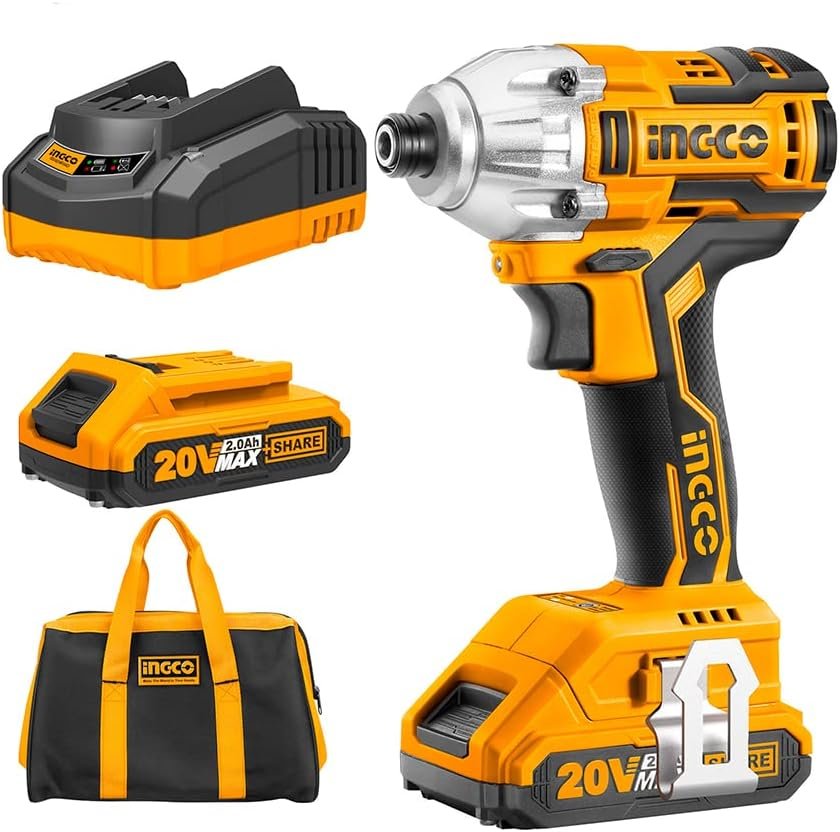
In the United States, an impact drill usually costs $50 to $300, depending on its type, power, brand, and included accessories. A basic cordless impact driver may cost $50 to $120 as a bare tool. A kit with a battery and charger often costs $100 to $250. Heavy-duty impact wrenches and specialty tools can cost $200 to $600 or more.
The phrase “impact drill” is not a precise product name. Many shoppers use it to mean an impact driver, while others mean a hammer drill or an impact wrench. These tools work in different ways and serve different jobs. Knowing the difference can prevent you from paying for the wrong tool.
Prices below reflect common U.S. retail ranges. Sales, battery platforms, professional features, and brand pricing can change the final cost.

Average Impact Drill Prices in the United States
The most common price for a household impact driver is about $100 to $200 for a complete cordless kit. A kit usually includes the tool, one battery, a charger, and sometimes a case.
| Tool type | Bare-tool price | Kit price with battery and charger | Typical use |
|---|---|---|---|
| Basic cordless impact driver | $50–$120 | $100–$200 | Screws, bolts, decks, home repairs |
| Professional impact driver | $120–$220 | $180–$350 | Daily trade work and heavy fastening |
| Corded impact driver | $60–$150 | Usually no battery kit | Long jobs near an outlet |
| Hammer drill | $60–$180 | $100–$300 | Drilling wood, metal, and masonry |
| Brushless hammer drill | $100–$250 | $150–$350 | Frequent drilling and demanding work |
| Compact impact wrench | $100–$250 | $180–$350 | Automotive bolts and lug nuts |
| High-torque impact wrench | $200–$450 | $300–$600+ | Large fasteners and heavy equipment |
These figures are general U.S. market estimates, not fixed prices. A tool may cost less during holiday sales, bundle promotions, or clearance events. The same model may also cost more when sold with a larger battery or a two-battery kit.
A low-cost tool is not always a poor choice. It may work well for occasional home use. The main trade-off is often battery life, speed, heat control, warranty coverage, and long-term durability rather than basic fastening ability.

What Does “Impact Drill” Mean?
“Impact drill” can describe several different tools, but an impact driver is usually what people mean when they use this phrase.
Impact driver
An impact driver is made for driving screws, lag bolts, construction screws, and other fasteners. It uses a rotating hammer action that adds turning force when resistance increases.
Most impact drivers use a 1/4-inch hex chuck. This accepts hex-shank driver bits and some drill bits made for impact use.
An impact driver is a strong choice for:
- Building decks and fences
- Driving long screws
- Installing cabinet hardware
- Fastening bolts and nuts with adapters
- General home repair
- Repetitive construction work
An impact driver is not always the best tool for making clean, precise holes. It can drill holes with the right bit, but a standard drill or hammer drill is often easier to control.
Hammer drill
a hammer drill combines rotation with a forward pounding action. This helps the bit break through brick, block, concrete, and some stone.
A hammer drill is the better choice when you need to:
- Drill into concrete
- Install masonry anchors
- Make holes in brick or block
- Drill wood and metal with the hammer mode switched off
A hammer drill is not the same as an impact driver. A hammer drill pushes the bit forward. An impact driver applies short bursts of twisting force.
Impact wrench
An impact wrench is designed for high-torque work. It is common in automotive repair, equipment service, and construction.
Impact wrenches often use a 1/2-inch, 3/8-inch, or 3/4-inch square drive for sockets. They are much larger and stronger than most impact drivers.
An impact wrench may be excessive for small household screws. It can also damage bolts, threads, or parts if used without the correct torque control.
How Much Does an Impact Driver Cost?
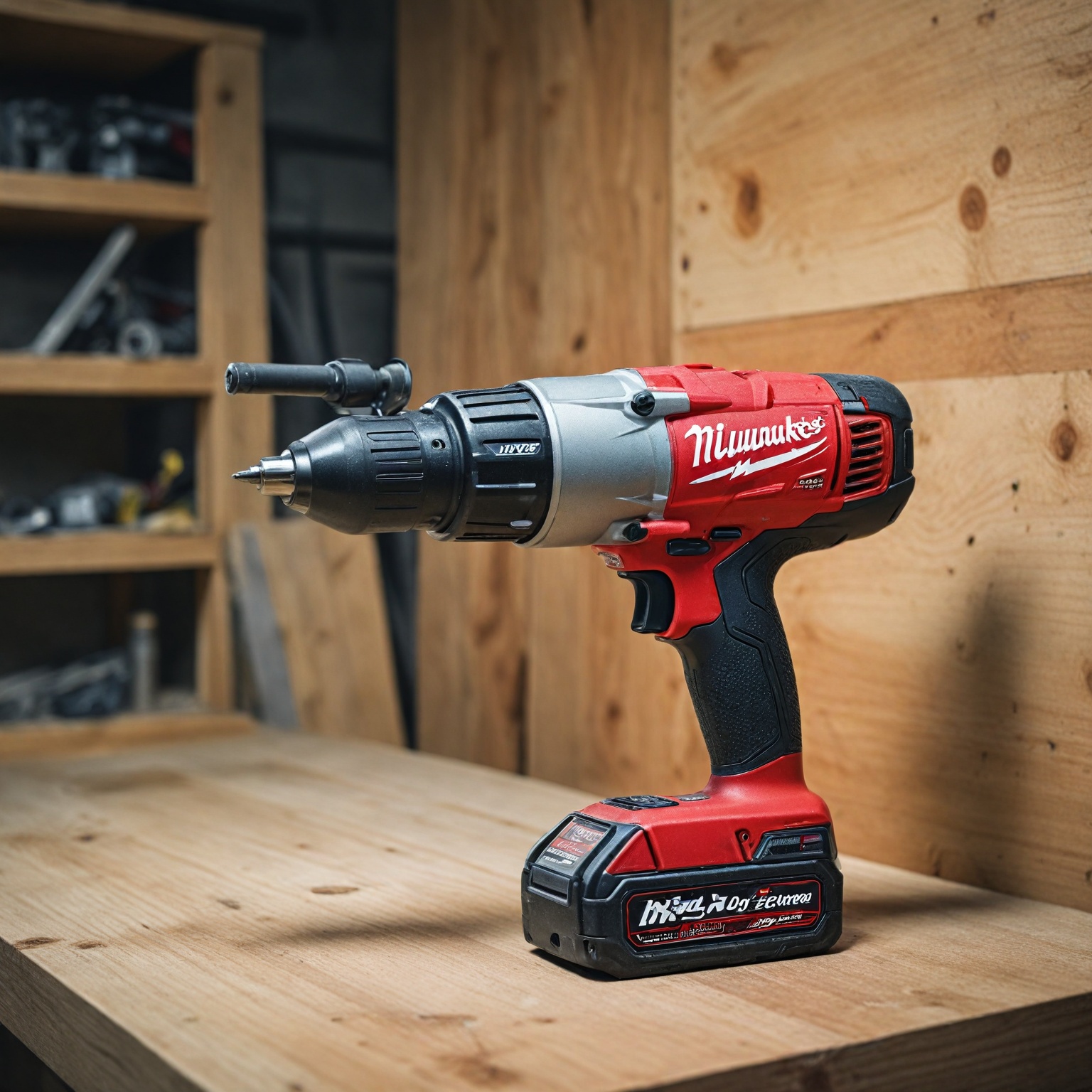
A cordless impact driver costs about $50 to $220 as a bare tool and roughly $100 to $350 as a complete kit.
Bare-tool pricing
A bare tool does not include a battery or charger. This option is often the least expensive way to buy an impact driver if you already own compatible batteries.
Typical bare-tool prices include:
- $50–$90: Basic homeowner models
- $90–$150: Mid-range brushless models
- $150–$220: Professional models with stronger motors and added controls
A bare tool may look inexpensive until you add the battery. Some batteries cost nearly as much as the tool itself.
Kit pricing
A complete kit commonly includes:
- Impact driver
- One battery
- Battery charger
- Belt hook
- Bit holder or small accessory set
- Storage bag or hard case
Typical kit prices are:
- $100–$160: Entry-level or compact kits
- $160–$250: Mid-range brushless kits
- $250–$350 or more: Professional kits with larger batteries or extra tools
A kit with two batteries may cost more, but it can be better value for people who use the tool often. You can charge one battery while using the other.
Premium features that raise the price
A more expensive impact driver may include:
- Brushless motor
- Multiple speed settings
- Electronic torque control
- LED work lights
- Compact head length
- Higher fastening speed
- Better heat management
- Longer warranty
- App-based tracking or tool controls
These features matter most during frequent or demanding work. For a few home projects each year, a basic model may provide enough performance.

What Changes the Price of an Impact Drill?
The largest price differences come from the tool type, battery system, motor design, and intended workload.
1. Tool type
An impact driver, hammer drill, and impact wrench have different jobs. A $90 impact driver cannot replace a $250 high-torque impact wrench for large automotive fasteners.
Start with the task, not the price. Buying the wrong tool can cost more than buying the correct tool at the start.
2. Cordless battery platform
Cordless tools use brand-specific battery systems. Once you buy batteries and a charger, staying within that platform can reduce future costs.
For example, a bare impact driver may be affordable if you already own compatible batteries. If you are starting from zero, include the price of:
- Battery
- Charger
- Extra battery, if needed
- Storage case
- Replacement battery in the future
Battery voltage does not tell the whole story. Motor design, battery capacity, speed control, and tool gearing also affect performance.
3. Brushed versus brushless motor
A brushed motor uses physical carbon brushes. It is often cheaper and can work well for occasional use.
A brushless motor uses electronic controls instead of traditional brushes. It may offer:
- Better efficiency
- Longer operating time per charge
- Less routine brush wear
- Better control under load
- A longer expected service life in heavy use
Brushless tools usually cost more. That extra cost is easier to justify for contractors, mechanics, and serious DIY users than for someone who drives a few screws each month.
4. Torque and speed
Manufacturers often list torque in inch-pounds for impact drivers and foot-pounds for impact wrenches. These figures are measured under specific test conditions and do not always predict real-world results.
Higher torque can help with large fasteners, but it also raises the risk of:
- Stripped screw heads
- Broken fasteners
- Damaged threads
- Over-tightened bolts
- Damage to the workpiece
More power is useful only when the tool matches the fastener and the material.
5. Brand and warranty
Brand price can reflect warranty length, service access, parts availability, battery compatibility, and quality control. A less expensive tool may still be suitable, but check the warranty terms before buying.
Look for:
- Warranty length
- Coverage for the tool and battery
- Authorized repair centers
- Replacement battery availability
- Return policy
- Included accessories

Bare Tool or Complete Kit: Which Costs Less?
A bare tool usually costs less at checkout, but a complete kit can be cheaper when you need a battery and charger.
Total starting cost = tool price + battery price + charger price + necessary accessories
Hypothetical example
Suppose a bare impact driver costs $80. A compatible battery costs $70, and a charger costs $35.
$80 + $70 + $35 = $185 total
A complete kit priced at $150 would be the better value, even though the bare tool had the lower advertised price.
A bare tool makes sense when:
- You already own the same battery platform
- You have more batteries than you need
- You are replacing a damaged tool
- You want to buy a higher-grade tool without another charger
A kit makes sense when:
- You are buying your first cordless tool
- You need the tool for a full-day project
- You want a backup battery
- The kit includes useful extra tools
Do not assume every battery from the same brand is compatible. Battery platforms may differ by voltage, generation, connector design, or tool family. Confirm compatibility with the manufacturer before buying.
What Should You Budget for an Impact Drill?
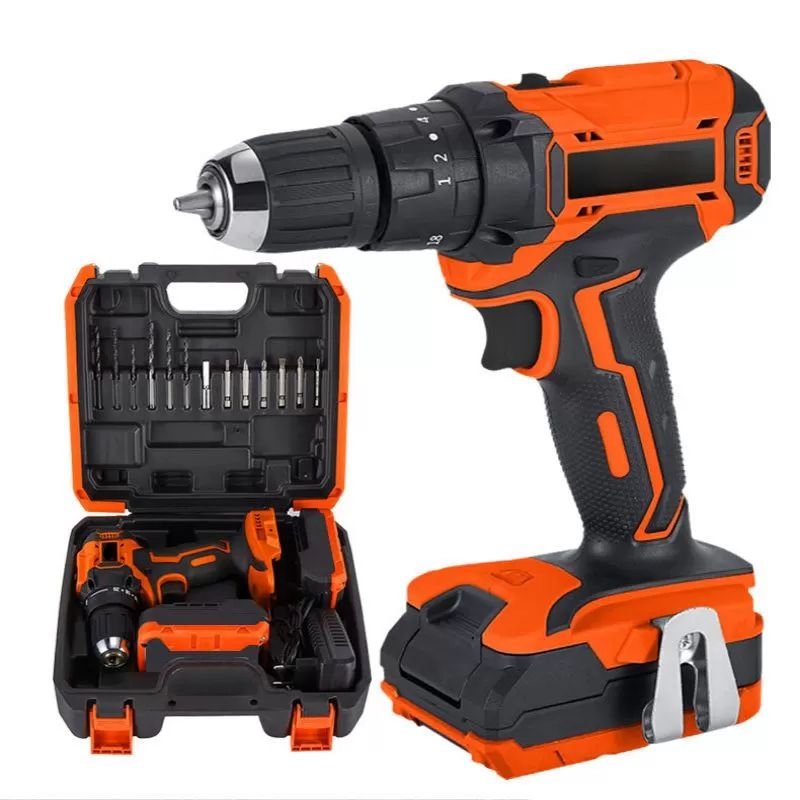
For most U.S. homeowners, a realistic budget is $120 to $200 for a cordless impact driver kit.
Use these budget levels as a starting point:
| Budget | Best fit | What to expect |
|---|---|---|
| Under $100 | Light, occasional use | Basic power, fewer controls, possible battery cost |
| $100–$200 | Most homeowners | Complete kit or solid mid-range tool |
| $200–$350 | Frequent DIY use | Brushless motor, stronger battery, better controls |
| $350 and above | Professional or specialty work | Premium kit, multiple tools, large batteries, or high torque |
A homeowner who builds furniture, installs shelves, or handles small repairs may not need a premium model. A contractor who drives hundreds of fasteners each week may save time with a compact brushless tool and fast-charging batteries.
If you need to drill masonry, set aside money for a hammer drill and masonry bits. If you need to remove vehicle lug nuts, budget for an impact wrench and torque wrench instead.
Extra Costs to Include
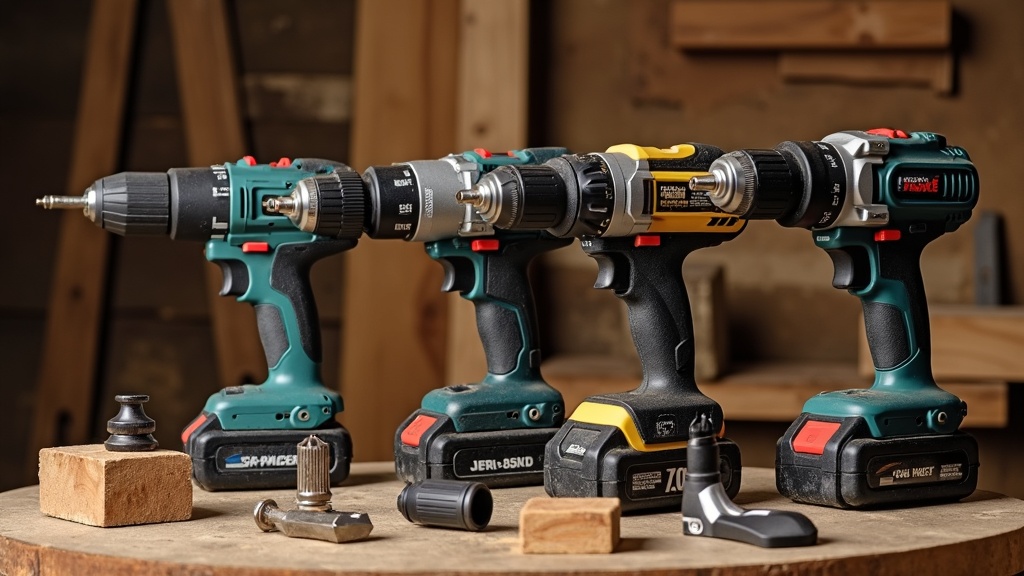
The purchase price is only part of the cost. Accessories and replacement items can affect the total.
Common extra costs include:
- Impact-rated driver bit set: $15–$50
- Drill-bit set: $15–$100
- Extra battery: $40–$180
- Fast charger: $30–$100
- Belt hook or clip: $5–$20
- Storage case: $20–$80
- Socket adapter: $5–$20
- Impact-rated socket set: $30–$150
- Replacement charger: $25–$100
Use bits and sockets labeled impact-rated with an impact driver or impact wrench. Standard bits may crack or break under impact force.
For vehicle work, an impact wrench does not replace a torque wrench. Use a torque wrench for final tightening when the vehicle manufacturer specifies a torque value.

How to Choose the Right Tool for the Job
Choose the tool by the material, fastener, and level of use.
Choose an impact driver if:
- You drive many screws
- You install deck or framing screws
- You need more force than a standard drill provides
- You want a compact tool for fastening
- You work with bolts using the correct adapter
Choose a hammer drill if:
- You drill into brick or concrete
- You install masonry anchors
- You need a normal drill chuck
- You want one tool for wood, metal, and light masonry
Choose an impact wrench if:
- You remove or install lug nuts
- You work on vehicles
- You handle large bolts
- You service heavy equipment
- You need high torque with sockets
Choose a standard drill if:
- You need smooth, precise holes
- You work with small drill bits
- You need a clutch for delicate screws
- You want better control at low speed
An impact driver is powerful, but power is not the same as precision. For small screws, soft wood, electronics, and delicate materials, a standard drill may be safer and easier to control.

Common Buying Mistakes
The most common mistake is buying a tool based only on its advertised torque or low price.
Avoid these errors:
-
Confusing an impact driver with a hammer drill.
An impact driver is mainly for fastening. A hammer drill is designed for masonry drilling. -
Forgetting the battery cost.
A bare tool may not include the battery needed to operate it. -
Using standard bits.
Impact tools need bits and sockets rated for impact use. -
Choosing maximum power for small work.
Excess force can damage screws, wood, threads, and fixtures. -
Ignoring the battery platform.
A cheap tool may lead to a costly new battery system. -
Treating torque numbers as exact working results.
Test conditions vary, and actual performance depends on the fastener, bit, battery, and material. -
Using an impact wrench for final vehicle tightening.
Use a calibrated torque wrench when a specified torque is required. -
Buying a large tool for overhead work.
Compact models may be easier to control and less tiring for long jobs.

Safety Tips for Using an Impact Driver
Wear safety glasses when using an impact driver. Bits, screws, and broken fasteners can move at high speed.
Follow these basic precautions:
- Read the tool manual before use.
- Use the correct bit or socket.
- Use impact-rated accessories.
- Secure the workpiece.
- Keep hands away from the bit and fastener.
- Remove the battery before changing accessories.
- Start at low speed when working with delicate materials.
- Stop if the bit slips or the fastener begins to strip.
- Do not use a damaged battery or charger.
- Keep batteries away from extreme heat, water, and metal objects.
- Use hearing protection during long or loud jobs.
When working on vehicles, support the vehicle with properly rated jack stands. Never rely only on a hydraulic jack.
Stop using the tool if the battery swells, leaks, overheats, smells unusual, or shows signs of damage. Follow the battery maker’s disposal instructions.

Is an Expensive Impact Drill Worth It?
An expensive impact drill can be worth the cost when you use it often, need better control, or already own the matching battery platform.
A premium model may provide a better experience through lower vibration, improved balance, speed settings, stronger batteries, and better service support. However, price alone does not prove that one tool will perform better for every user.
A basic kit is often enough for:
- Occasional home repairs
- Small furniture projects
- Hanging shelves
- Light maintenance
- A few deck or fence repairs
Spend more when you:
- Use the tool every week
- Drive many long fasteners
- Work in professional settings
- Need long battery life
- Need several speed or torque modes
- Depend on the tool for income
- Want to stay within an existing professional battery system
The best value is the tool that fits the work without paying for power you will not use.

Frequently Asked Questions
Is $100 enough for an impact drill?
Yes. A $100 budget may buy a basic impact driver, a sale-priced kit, or a bare tool. Check whether the price includes a battery and charger. If it does not, the final cost may be much higher.
What is the difference between an impact driver and a drill?
A standard drill is designed for controlled drilling and light fastening. An impact driver adds a hammering twist that helps drive resistant fasteners. A drill usually has a chuck for many bit types, while an impact driver commonly uses a 1/4-inch hex chuck.
Can an impact driver drill holes?
Yes, with the correct hex-shank drill bit. For clean, precise holes, especially in small sizes, a standard drill is often easier to control. Never use a bit that is not rated for the tool’s impact action.
Do impact drivers need special bits?
They should use bits labeled impact-rated. Impact-rated bits are designed to handle repeated twisting force. Standard bits can break, chip, or become unsafe when used in an impact tool.
Is an impact driver good for removing lug nuts?
A small impact driver may remove some lug nuts with the right socket adapter, but it is not a substitute for an impact wrench. Vehicle work usually calls for an impact wrench with suitable torque, followed by final tightening with a torque wrench.
How long should an impact drill battery last?
Battery runtime depends on battery capacity, fastener size, material, tool speed, temperature, and work rate. A larger amp-hour battery generally runs longer but adds weight and cost. Manufacturers’ runtime claims may use controlled test conditions, so real use can vary.
Conclusion
In the USA, expect to pay about $50 to $220 for an impact driver by itself or $100 to $350 for a complete kit. Most homeowners can stay near the $120 to $200 range and get a capable cordless tool.
Before buying, confirm whether you need an impact driver, hammer drill, or impact wrench. Then compare the full cost of the tool, battery, charger, bits, warranty, and accessories. A properly matched mid-range tool is often a better value than the cheapest model or the most powerful one.
The next step is to identify your main task, check whether you already own a compatible battery platform, and compare complete kit prices rather than bare-tool prices alone.